① japan is located at the asia-pacific network hub and has abundant international submarine optical cables and backbone exchange points;
② it has the advantage of low latency for china, southeast asia, south korea and other regions (usually 30%+ faster than european and american nodes);
③ the japanese computer room provides a variety of vps and physical host options to adapt to different traffic scales;
④ the local dns resolution and domain name service respond quickly, which is conducive to the optimization of time to first packet (ttfb);
⑤ the cost and availability of connecting cdn, anycast and ddos cleaning points are high, which facilitates the implementation of the overall solution.
① deploy bgp multi-line access to ensure link redundancy and shortest route selection;
② use anycast to distribute analysis/access points to multiple computer rooms such as tokyo and osaka to reduce backhaul jitter;
③ for high concurrency, it is recommended to purchase at least 1gbps dedicated line or unrestricted port;
④ measurement indicators include rtt, packet loss rate and jitter. the target rtt is controlled within 30-80ms (depending on the source);
⑤ configure public ip and second-level domain name resolution strategies, and combine with geodns to achieve regional traffic distribution.
① use cdn pops close to japan (tokyo, osaka, sapporo) to cache static resources;
② enable http/2 and tls1.3 to reduce handshake and concurrent request delays;
③ use smart routing and long connection multiplexing for dynamic requests;
④ set a reasonable caching strategy: max-age for static resources ≥ 7 days, short caching or no caching for dynamic interfaces;
⑤ use edge scripts/edge cache rules (edge cache) to perform differentiated compression and merging based on user regions.
① choose a computer room with cleaning capabilities or add cloud cleaning services (peak support is at least 10gbps);
② rate limit syn/udp flooding at the firewall layer, enable connection tracking and rate limiting;
③ deploy waf to protect against common application layer attacks (sqli, xss, malicious crawlers);
④ configure automated threshold alarms (number of traffic/connections) and link them with backup back-to-origin strategies;
⑤ regularly apply patches, strengthen ssh key login, close unnecessary ports, and use tools such as fail2ban.
① small site (recommended) vps example: 2 vcpu / 4gb ram / 50gb nvme / 500mbps bandwidth;
② medium-sized e-commerce instance: 8 vcpu / 16gb ram / 200gb nvme / 1gbps unlimited speed, bgp anycast ip;
③ large business (physical): 2 x 10-core cpu / 64gb ecc / 1tb nvme raid / 10gbps dedicated line + ddos 20gbps;
④ software stack recommendations: nginx (worker_connections≥10240), php-fpm or node.js clustering, redis cache;
⑤ optimization items: enable gzip/brotli, use quic/http3, and adjust keepalivetimeout to within 30 seconds.
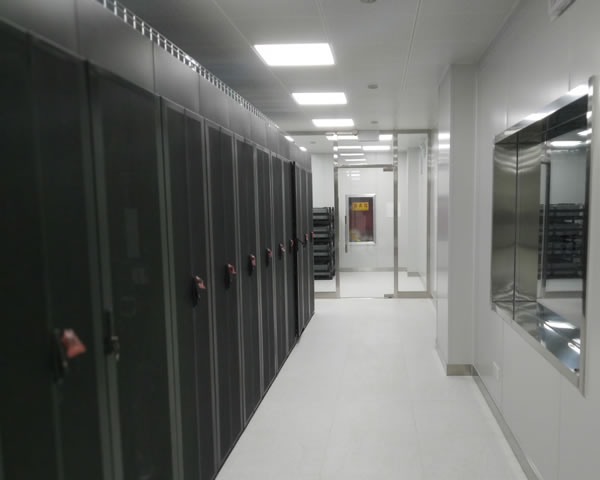
① background: domestic cross-border e-commerce company a targets the southeast asian and japanese markets. it originally used european and american computer rooms, and the delay in some areas was high;
② solution: added tokyo computer room vps + anycast dns + japanese local cdn pop + ddos hosting cleaning service;
③ configuration (actual): vps 8 vcpu /16gb /200gb nvme /1gbps, anycast dns 3 points (jp/tw/sg), cdn cache rate increased to 85%;
④ performance comparison (see the table below before and after deployment): the average rtt and packet loss of japanese nodes have improved significantly;
⑤ results: the first screen loading time of the page dropped from 4.2s to 1.6s, the conversion rate increased by about 12%, and the user complaint rate dropped by 70%.
① evaluate the traffic distribution in the target market and prioritize deploying nodes close to core users in japan;
② select a supplier that supports bgp/anycast and ddos cleaning, and sign an sla to ensure availability;
③ conduct a small-scale pilot first (1-2 vps + cdn), and then expand the capacity after passing data verification;
④ continuously monitor rtt, packet loss, qps and cache hit rate, and perform automatic expansion;
⑤ regularly practice ddos emergency plans to ensure smooth switching process and no single point of failure.
- Latest articles
- Zhou Qun’s Weibo Taiwan Account: An Efficient Growth Strategy Combining Paid Advertising With Organic Traffic
- Operational Practice: Backup, Recovery, And Monitoring Solutions For Taiwan-Connected VPS Cloud Servers
- Cost Estimation For Vietnam CN2 Deployment And Practical Strategies To Save Costs In Ongoing Operations
- From Bandwidth To After-sales Reviews, Help You Filter A List Of Good Candidates For Web Servers In Taiwan
- A Quick Guide For Small And Medium-Sized Enterprises: Deploying Cloud Computers On Malaysian Servers And Managing Permissions
- Suggestions For International Export Optimization Of Malaysian VPS Service Providers Under Cross-Border Deployment Needs
- The Impact Of Changes In Singapore’s Cloud Server Market Share On Traffic Optimization For Cross-border E-commerce
- Contract Terms And Key Points For Selecting After-sales Service For Recommended Hong Kong-based IP Servers In The Procurement List
- What Is A Korean Online Server ID? How To Check It And Proper Usage Instructions
- Deployment Cost Assessment For CN2 Malaysia Compared To Prices And Cost-effectiveness Of Other International Routes
- Popular tags
-

Analysis Of Market Trends After Chen Weiqun's Retirement From The Japan Grand Prix
this article analyzes the market trends after chen weiqun retired from the japan grand prix, and discusses the impact on the industry and future trends. -
Explore The Successful Cases And Analysis Of Clearance Groups On Amazon Japan
this article explores the successful case of amazon japan clearance group and the technical support behind it, including analysis of server configuration, vps selection, etc. -

Recommendation And Evaluation Analysis Of Japanese Game Server Manufacturers
this article will recommend and review japanese game server manufacturers for you to help you choose the best and cheapest server.